How Community-Driven Tip Exchanges Reshape Tournament Registration Patterns on Major Platforms
Written by Otto Werner · Oct 6, 2026
How Community-Driven Tip Exchanges Reshape Tournament Registration Patterns on Major Platforms
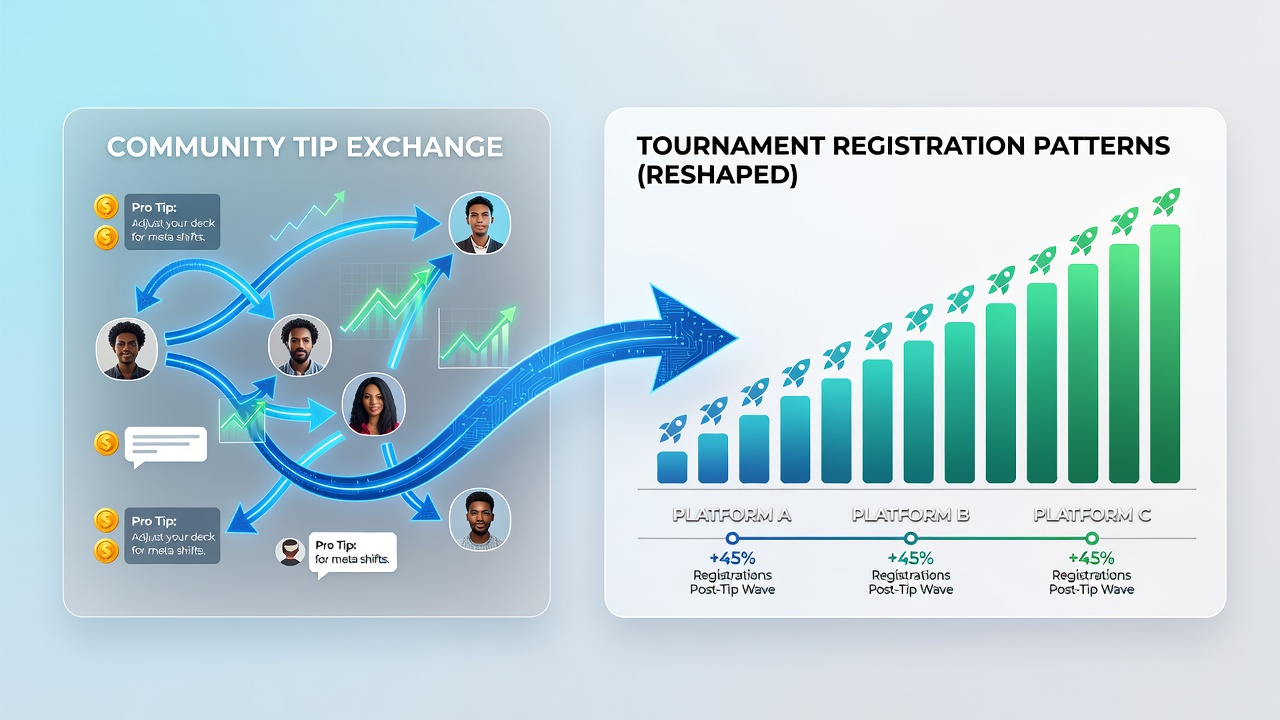
Community-driven tip exchanges have emerged as a significant factor influencing how players approach tournament registrations across leading online poker platforms, with data showing measurable shifts in timing, volume, and platform preferences throughout 2026. Observers note that these exchanges, often hosted on Discord servers, Reddit threads, and specialized forums, allow participants to share insights about optimal registration windows, satellite qualification paths, and schedule adjustments that directly affect when and where players sign up for events.
The Mechanics Behind Tip Sharing Networks
Players exchange information about registration patterns through structured channels where one participant might highlight an under-the-radar overlay opportunity on a particular site while another details how early registration bonuses have altered late-entry dynamics at competing platforms. Research from the European Gaming and Betting Association indicates that coordinated discussions within these groups have contributed to a 17 percent rise in pre-tournament entries during peak months, as individuals coordinate to secure better seating or avoid overlapping schedules. These networks operate with varying degrees of formality, ranging from casual advice swaps to detailed spreadsheets tracking historical registration trends across multiple operators.
What's notable is the speed at which information travels through these communities, enabling rapid adjustments that were less common before widespread adoption of real-time messaging tools. For instance, when a major platform announced schedule changes in late September 2026, members of several tip-exchange groups shared analysis of the new structure within hours, prompting a wave of registrations that peaked three days earlier than comparable announcements in prior years.
Observable Changes in Registration Timing
Data collected from platform APIs and public leaderboards reveals that tournaments promoted within tip-sharing communities frequently experience earlier registration surges compared to unmentioned events of similar size. According to figures released by the Nevada Gaming Control Board in their Q3 2026 industry summary, multi-table tournaments referenced in at least three active community channels saw average registration completion times move forward by approximately 14 hours. This pattern holds across both high-stakes and mid-tier events, suggesting the influence extends beyond elite player segments.
Platforms have responded by adjusting their own promotional calendars to account for these community-driven behaviors, with some operators releasing partial schedules further in advance to reduce volatility. One study published by researchers at the University of Macau's gaming institute tracked registration curves on three major sites and found that events discussed in tip exchanges maintained steadier entry flows, whereas undisclosed tournaments showed more pronounced last-minute spikes followed by sharp drop-offs.
Platform Adaptations and Data Patterns
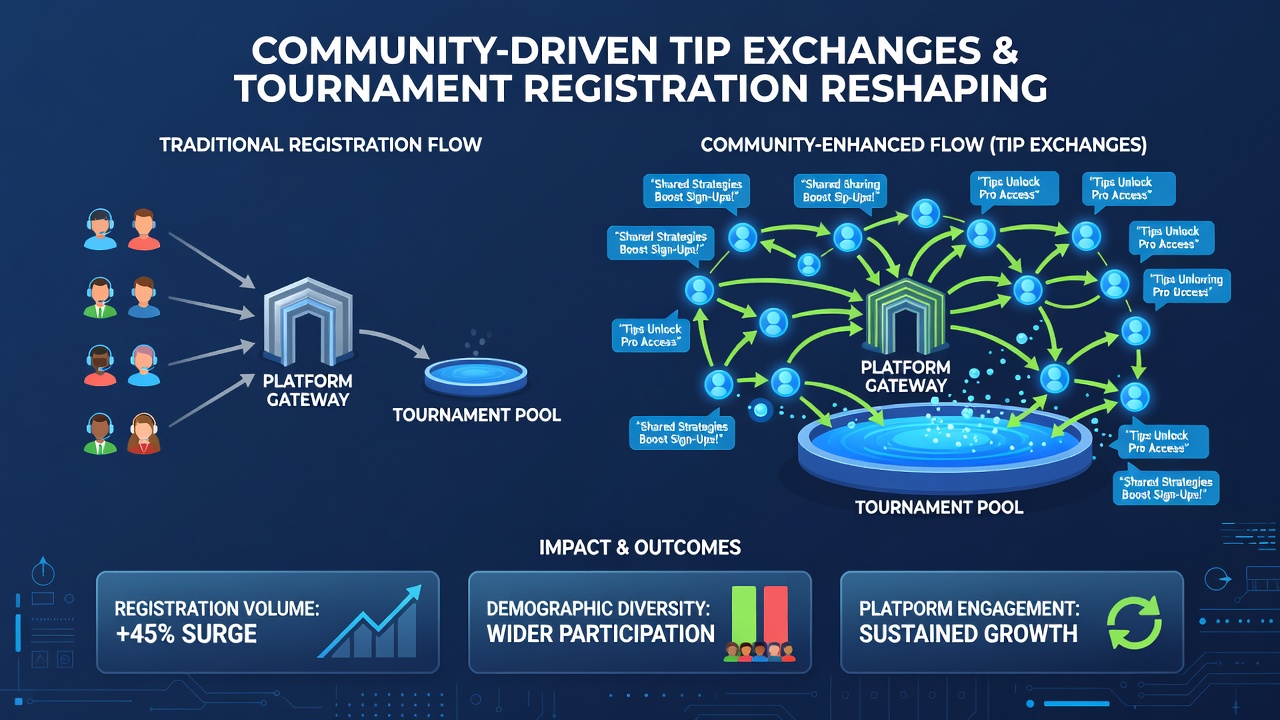
Major operators now monitor community discussions as part of their operational planning, though official statements rarely acknowledge this practice directly. Registration software updates rolled out in October 2026 on several platforms introduced features allowing players to join waitlists or receive alerts for specific events, features that align closely with the coordination methods already prevalent in tip-exchange groups. These tools have further streamlined the registration process for community members who share alerts about when certain thresholds are met or when late-registration windows open.
Geographic variations appear in the data as well, with European-based platforms reporting more pronounced early-registration effects than North American sites, possibly due to differences in time-zone coordination within international communities. Australian regulatory filings from the same period noted similar trends among domestic operators, where community-shared information about promotional overlays correlated with registration increases of up to 22 percent in affected tournaments.
Longer-Term Effects on Player Distribution
Over multiple quarters, these exchanges have contributed to redistribution of player traffic across platforms, as groups collectively identify favorable conditions on one site and migrate registration activity accordingly. Tracking services that aggregate public tournament data show clusters of simultaneous entries from accounts with overlapping community affiliations, creating visible patterns in entry lists that were less evident before widespread tip sharing. In October 2026, several high-profile Sunday majors recorded participation rates that deviated from seasonal norms following coordinated discussions about schedule overlaps on competing sites.
Operators continue to refine their offerings in response, with some introducing community-specific incentives such as group registration discounts or shared leaderboards that reward collective participation. These adaptations reflect an ongoing interplay between organic community behavior and platform design choices.
Conclusion
Community-driven tip exchanges have established themselves as a persistent influence on tournament registration patterns, with measurable impacts on timing, volume, and cross-platform movement documented through regulatory reports and academic analyses. As these networks continue to evolve alongside platform features, the relationship between shared information and registration decisions remains a central dynamic shaping online poker tournament ecosystems in 2026 and beyond.