Player Migration Trends Between Lesser-Known Digital Card Platforms During Off-Peak Seasons
Written by Erik Keller · Sep 22, 2026
Player Migration Trends Between Lesser-Known Digital Card Platforms During Off-Peak Seasons
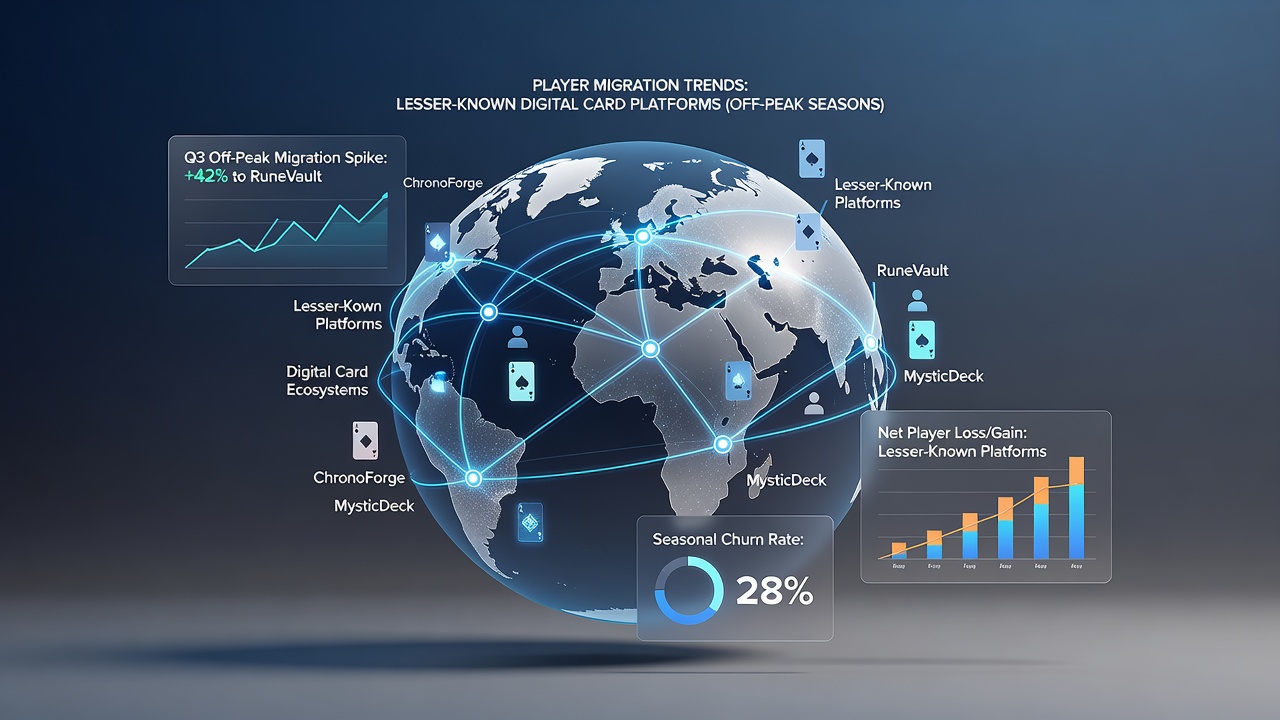
Lesser-known digital card platforms experience noticeable shifts in user bases when peak tournament calendars wind down, and observers note these movements often accelerate in periods like late summer leading into September 2026. Data from industry tracking services show players relocating toward smaller communities where lower entry barriers and alternative formats provide consistent engagement without the high-stakes pressure of major seasonal events.
Defining Off-Peak Patterns in Digital Card Ecosystems
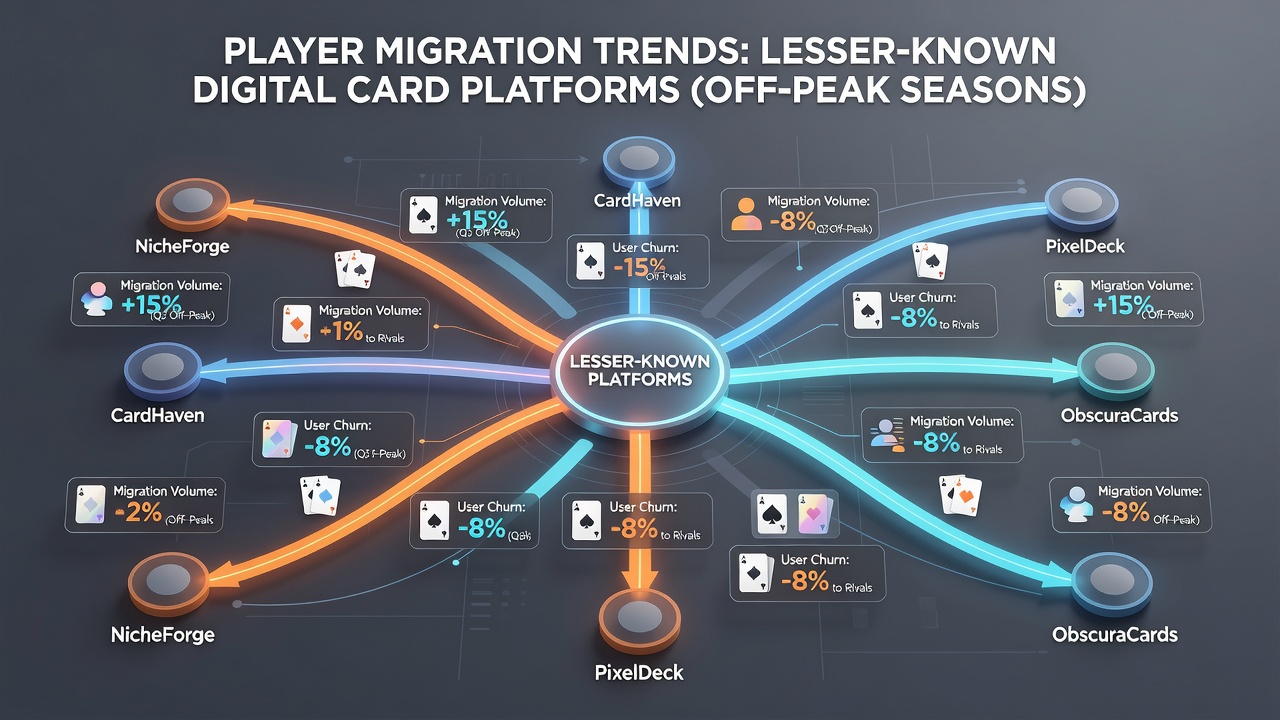
Off-peak seasons typically span months with reduced promotional cycles and fewer high-profile releases, which creates openings for migration as users seek fresh experiences. Researchers at academic institutions have documented how activity levels drop on flagship platforms while rising on niche alternatives that specialize in formats such as custom deck-building or cooperative card modes. These transitions occur because core player retention strategies differ across services, with some emphasizing community-driven content updates that sustain interest when mainstream releases slow.
Key Drivers Behind Platform Switches
Technical stability and unique rule variations rank among primary factors, according to reports compiled by gaming research groups in multiple regions. Players frequently test environments that offer cross-device synchronization or integrated social features unavailable on larger networks, and figures from the Canadian Gaming Association reveal that off-peak windows allow time for experimentation without conflicting with scheduled league play. Economic incentives also play a role, since some lesser-known platforms adjust reward structures seasonally to attract temporary influxes while established sites maintain fixed pricing models.
Regional Variations in Migration Flows
North American users tend to gravitate toward platforms based in similar time zones that host evening casual events, whereas European cohorts show stronger movement toward services with localized language support and region-specific card pools. Australian industry data from the Interactive Games and Entertainment Association indicates parallel trends where off-peak migration favors platforms offering mobile-first interfaces suited to variable connectivity conditions. These patterns emerge consistently because geographic preferences align with daily usage habits that intensify when competitive seasons pause.
One documented case involved a mid-sized platform specializing in legacy card formats that recorded a 28 percent increase in active accounts during August 2025, followed by sustained growth into September as players carried over habits from previous cycles. Similar observations appear in studies examining platform analytics across Asia-Pacific markets, where users sample multiple environments before settling on those matching preferred play speeds and deck archetypes.
Platform Features Influencing Retention During Quiet Periods
Customization tools and mod support emerge as decisive elements that differentiate lesser-known services from dominant competitors. Developers who maintain active forums and rapid response patches retain higher percentages of incoming users, data indicates, because these features compensate for smaller overall populations. Automated matchmaking algorithms that prioritize skill parity rather than queue speed also contribute, since they reduce frustration in environments where player counts fluctuate more dramatically outside peak windows.
Integration with external tools for deck tracking and analysis further supports retention, and observers note that platforms providing open APIs attract technically inclined users who value data portability across sessions. This approach proves effective in off-peak months when individuals have more time to refine strategies without immediate tournament deadlines.
Measurement Methods and Data Sources
Analytics firms employ anonymized account linkage techniques to trace migration without compromising privacy standards, and results consistently highlight seasonal spikes in account creation followed by gradual stabilization. University-led research projects have validated these methods through longitudinal studies spanning multiple years, confirming that off-peak movements rarely reverse fully once users establish new routines on alternative platforms.
Emerging Platforms and Their Appeal
Several services launched in recent years have capitalized on these cycles by focusing on underrepresented card mechanics such as asymmetric play or narrative-driven campaigns. Their growth trajectories align with off-peak timing because initial user bases build through word-of-mouth within dedicated communities rather than broad marketing campaigns. Retention metrics improve when these platforms introduce limited-time events that coincide with broader industry slowdowns, encouraging sustained participation.
Cross-platform compatibility features allow users to maintain progress across devices, which proves valuable during periods when travel or schedule changes disrupt regular access. This functionality supports longer engagement windows and reduces the likelihood of complete abandonment when primary platforms resume full activity.
Conclusion
Player movements between lesser-known digital card platforms during off-peak seasons reflect a combination of feature preferences, regional habits, and timing advantages that allow experimentation without major disruptions. Continued monitoring through established research channels provides clearer visibility into these dynamics as September 2026 approaches and new seasonal patterns take shape.